Technical Insights

Why does acrylic need surface treatment?
Surface treatment is a process that enhances the appearance of acrylic by making it smoother and brighter. Additionally, creating chamfers or using sandblasting can add value to the acrylic.
After cutting, the cutting face of acrylic can become matte or rough. Polishing the surface helps to smooth and shine it. Furthermore, the sharp edges and sides of acrylic can be protected by using edge shaping and chamfers.
Polish
Diamond polish
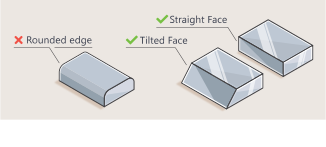
Diamond polish uses a high-speed spinning diamond knife. It can be used on flat or tilted surfaces but cannot be used on rounded angles.
Flame polish
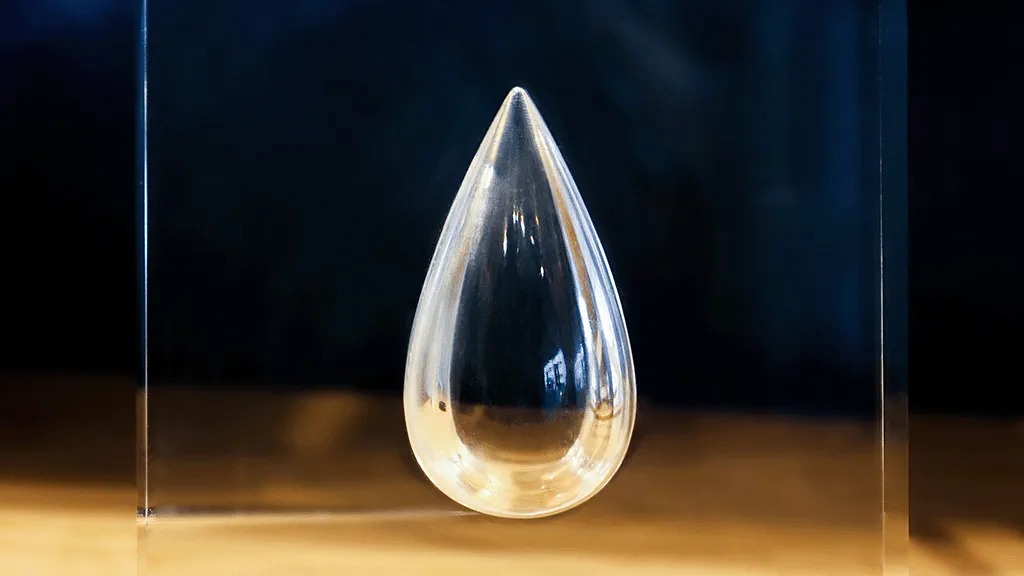
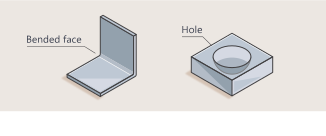
Flame polish uses hydrogen flame. The flame will melt the surface of the acrylic and let it become smooth and shiny. First, the acrylic needs to be sanded, and then polished by the flame. The temperature of flame polish is about 800°C to 2800°C degrees. When using flame polish, moving the flame slower will make the acrylic smoother, but there is more possibility of over-burning or causing bubbles. Flame polish is better for small areas or places not easy to reach, like folded areas, holes, or corners.
Cloth polish
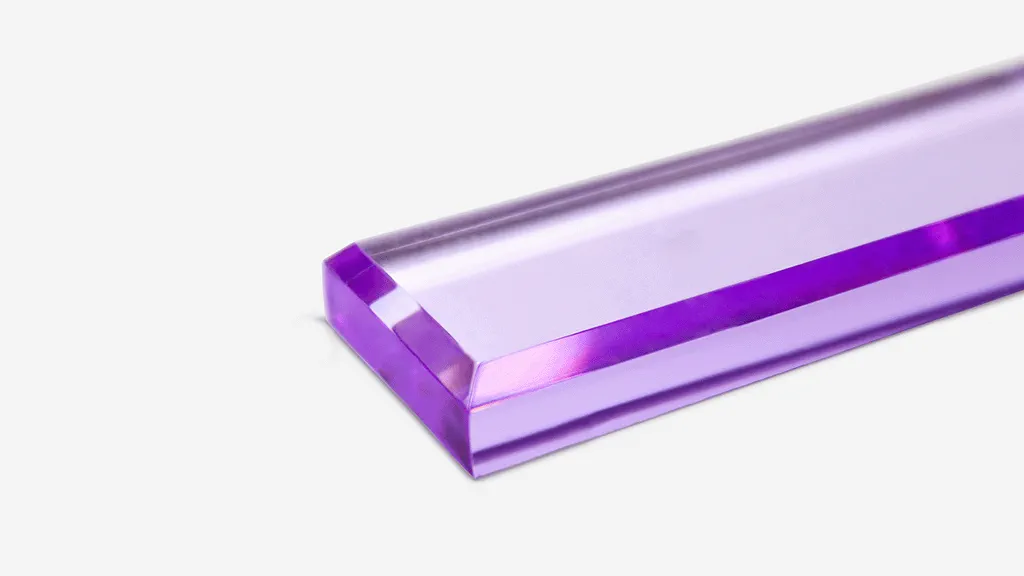
Cloth polish needs to use a polishing paste. The surface will look smooth after polish, but it is not useful for shapes that are complicated or objects with concave. Cloth polish smooths the surface, but it does not work with surfaces that are complicated or objects with concave.
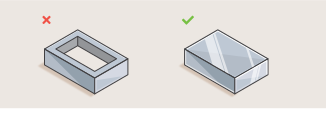
Deburr
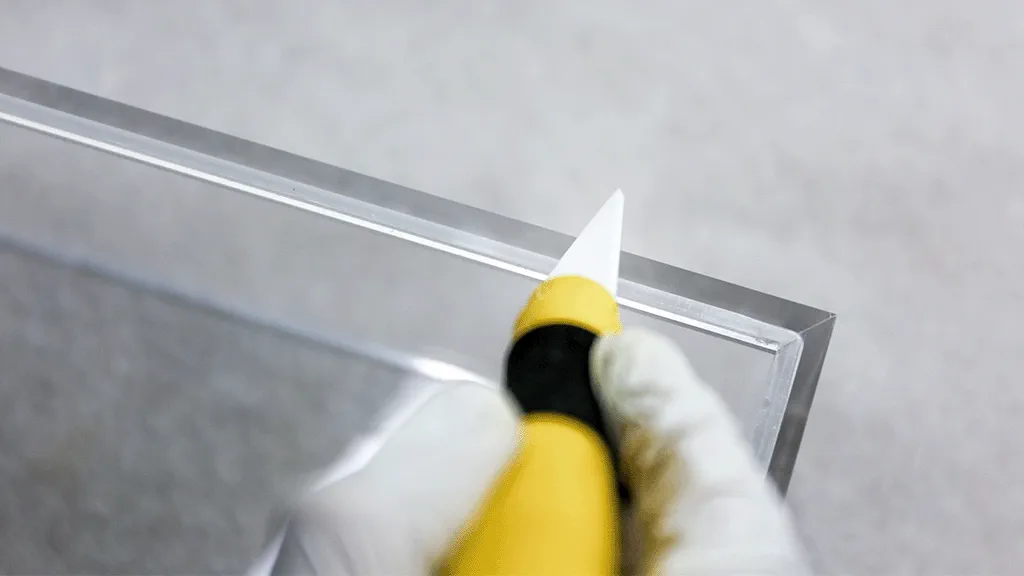
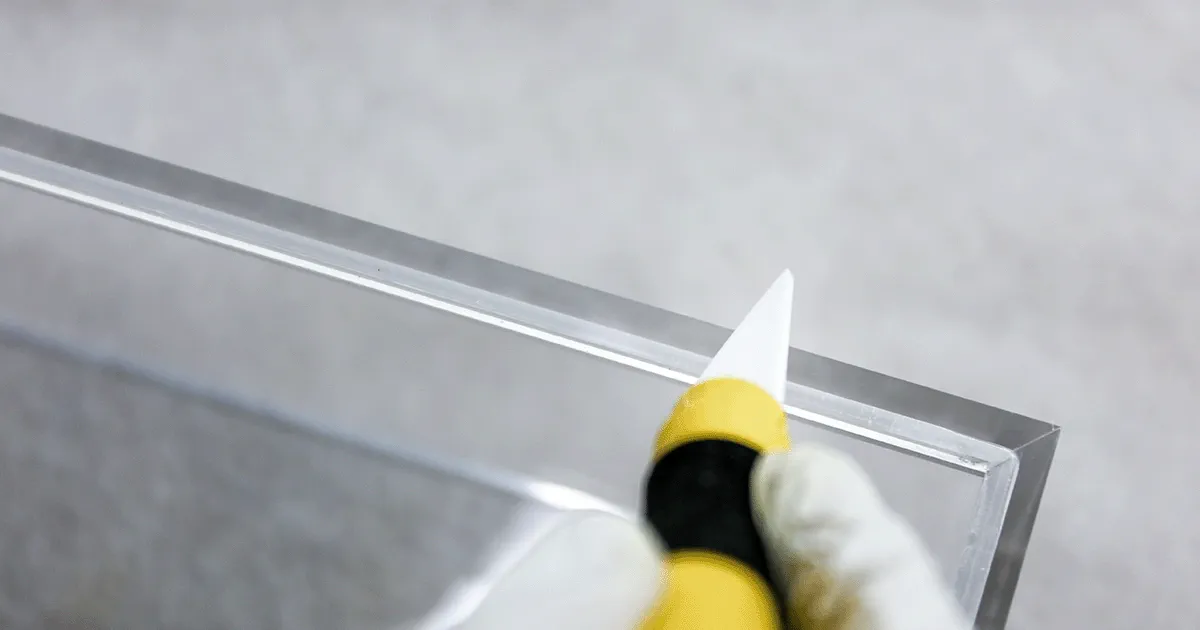
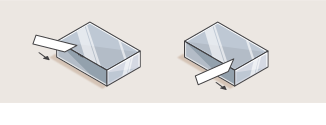
Edge deburr uses a ceramic blade cutter on sharp edges, and lets the edges become smooth.
Chamfer
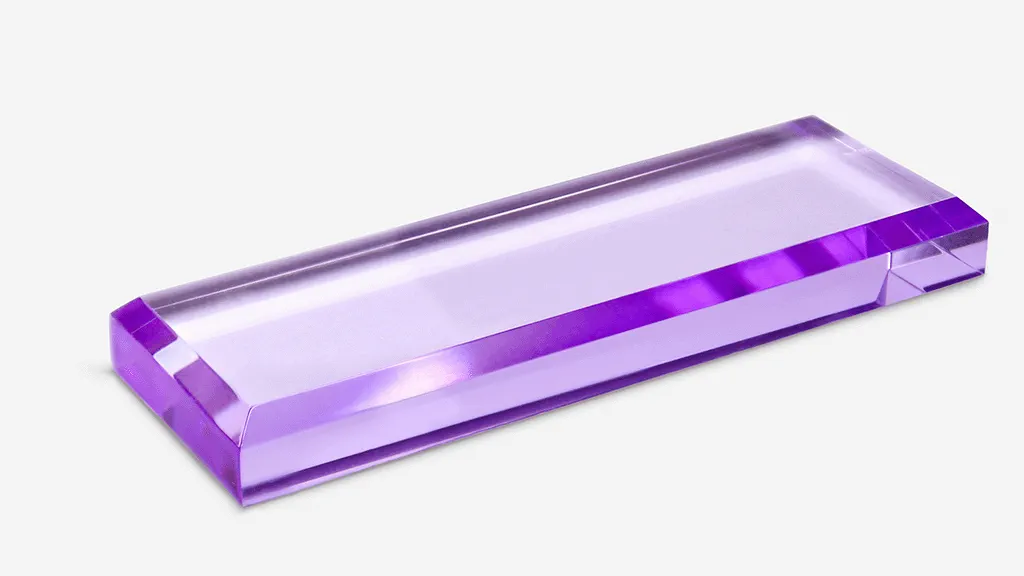
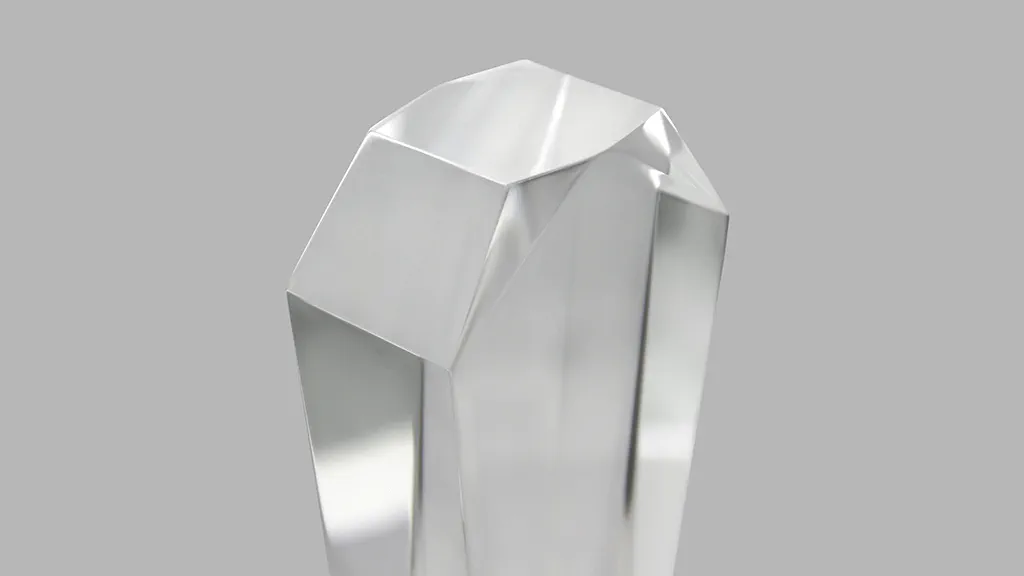
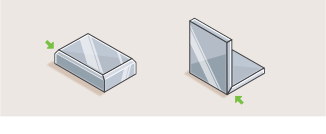
Chamfers are for making 45 ° sides to make them aesthetic and functional. Also, it can avoid the sides or edges being too sharp.
Sandblasting
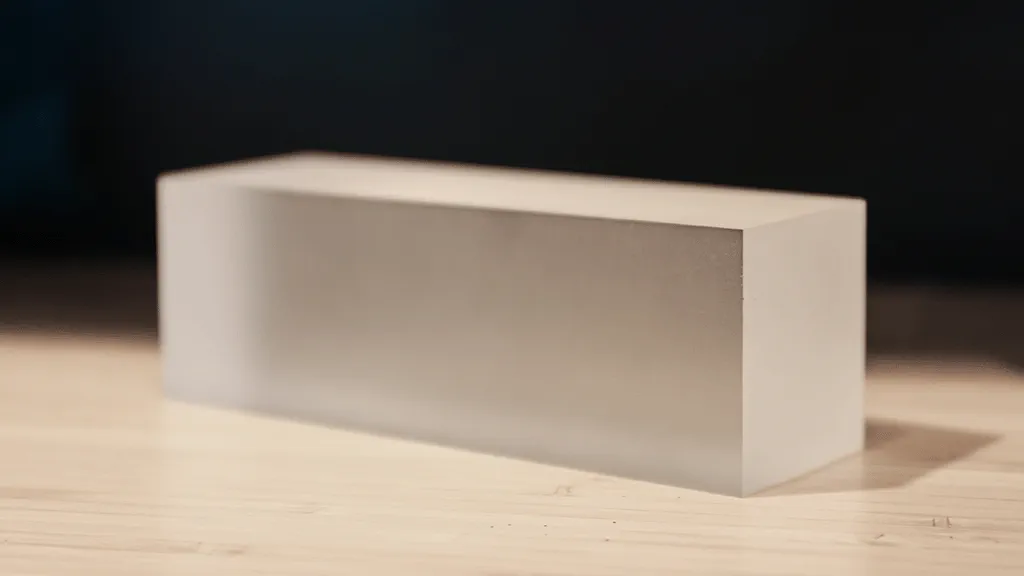
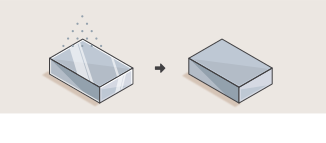
Sandblasting uses small particles to cave the surface of acrylic. The surface will turn into many little marks and become matte.
Glue
Solvent Methyl Ethyl Ketone (MEK)
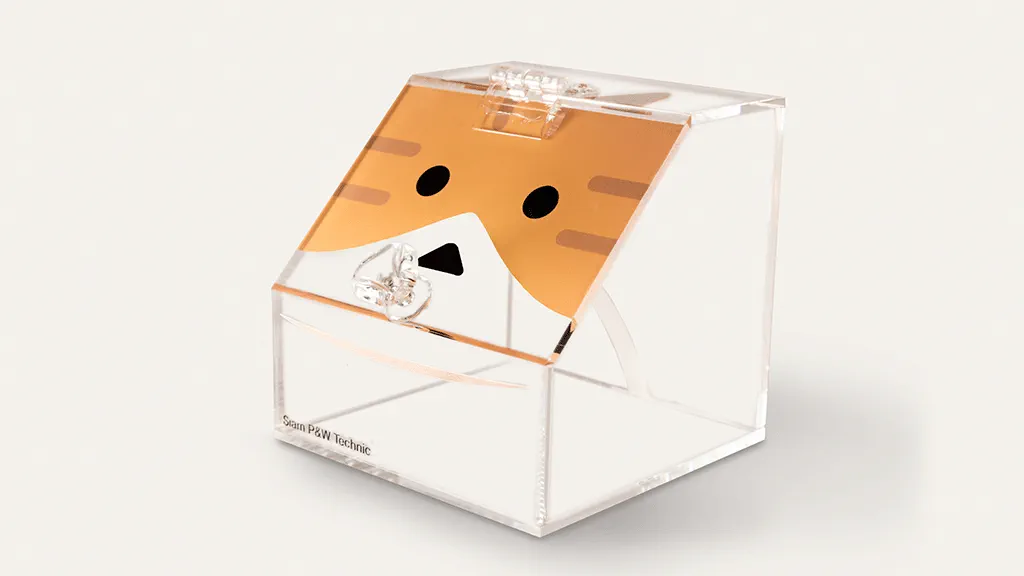
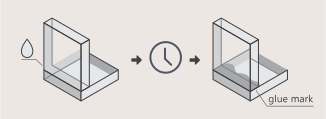
The solvent will melt the surface between 2 acrylics, and cure after the solvent is dried, but it takes a longer drying time. Acrylic of any color can work with solvent, but thin board works better. Also, it is easy to have glue marks and bubbles, so it is not suitable for making quality goods.
UV Glue
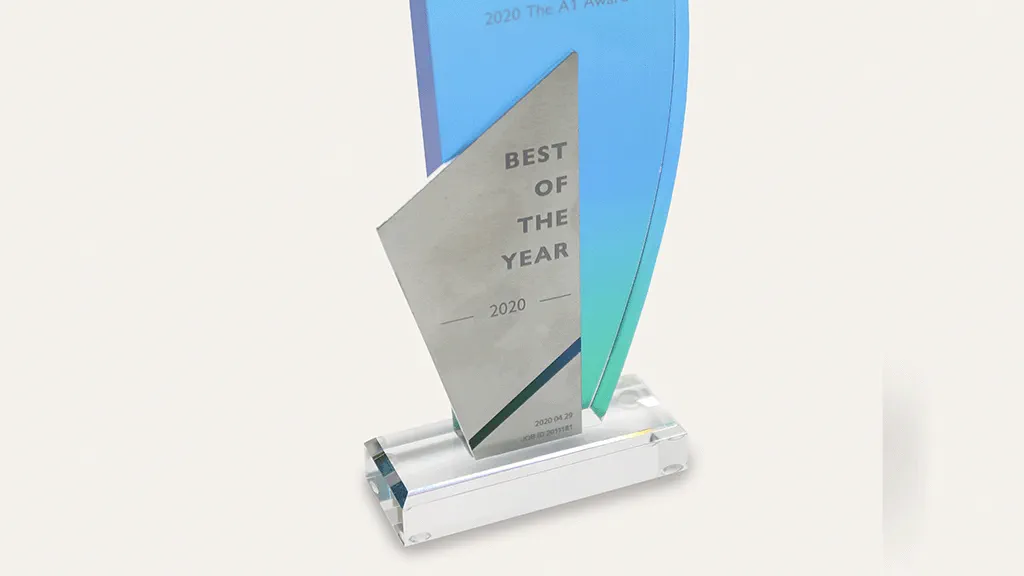
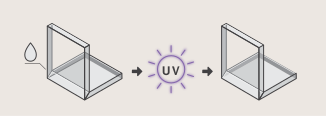
UV glue works better with clear acrylic, because the UV light can transfer through the acrylic. It dries fast and adherence is strong (100kgf/cm2). It is good for gluing 45° side, thin and thick board (10mm). It does not have glue marks or bubbles, so it is very suitable for making quality goods.
Bending
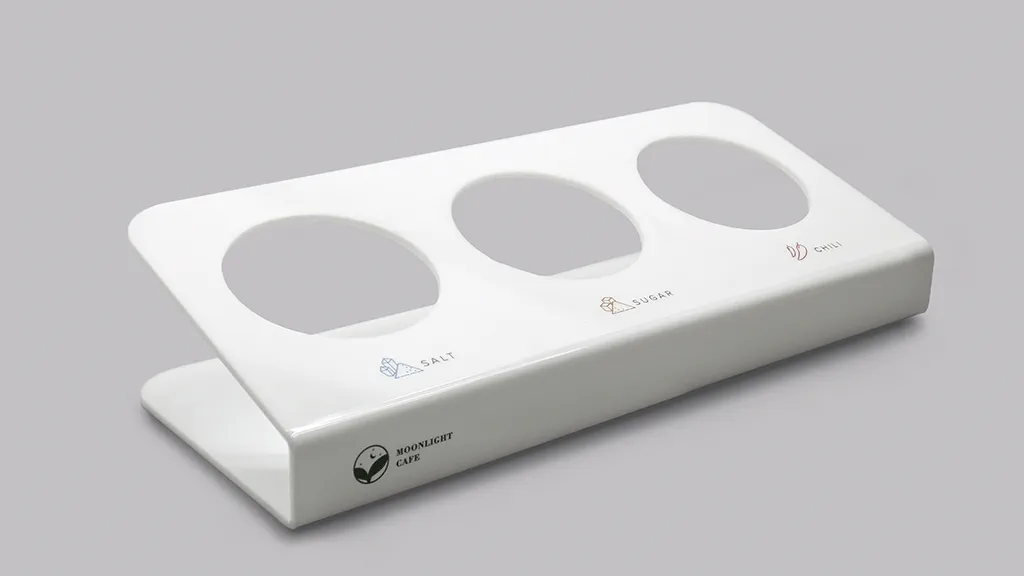
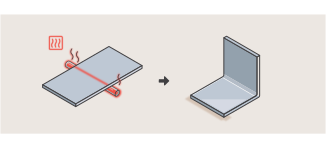
Using the heating wire to heat the acrylic to 160°C, and bend the acrylic before it cools down.